
Fashion will forever be changed by the adoption of 3D design and simulation technology. The number of brands using 3D tools has increased dramatically, as has the competition. Yet, having invested in the technology is not conducive to cost savings or increased performance, especially if we continue to work in our traditional ways, with physical sampling and prototyping. Could digitization of materials at the fabric mill unlock new levels of speed and cost reductions, and open the industry up to an array of new opportunities in design, development, and retail? Read on to find out.

Digitization is inevitable, and the fashion industry is no exception. Now that brands are catching on, suppliers are racing to support and turn the change to their benefit. Digitization offers the game-changing potential to companies along the entire supply chain, but are companies in the industry saving or increasing their performance with their digital upgrades?

After having worked on digital projects for the denim industry over the past decade, it is clear that brands and suppliers can benefit tremendously from going digital. This, of course, is only true when done correctly. As we are approaching the mass adoption of technology that will forever change the fashion industry – the critical differentiators between success and failure are more clear than ever.
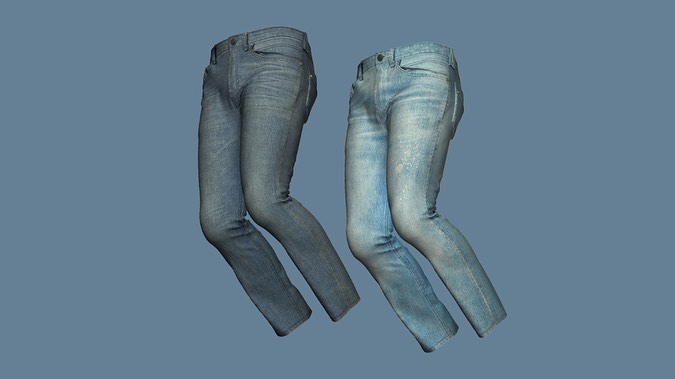
All eyes are now on 3D design and simulation technologies, as well as on solutions that enable traceability and transparency across the fashion supply chain. Working with digital versions of a product to simulate designs and processes allows companies to save time, money, and resources by replacing large parts of the physical sampling of fabrics, garments, and laundry, with digital twins, 3D tools, and data to better decide on what to put on the shop floor.
Competition within the fashion 3D CAD (computer-aided design) landscape has increased in the past years, and as brands decide which suite of 3D tools to adopt, suppliers are left to keep track of a rapidly changing mix of workflows and standards needed to service their customers. Recent challenges in supply chain management and logistics have made clear the importance of collaboration, partnerships, integration, and clear communication with suppliers. It takes cooperation throughout the supply chain for the final product to be delivered to the customer. Low costs are not the only factor. Similarly, when using digital tools in 3D, we need to divide the responsibilities and allow suppliers to master their part in digitization, so that we collectively improve the system as a whole.
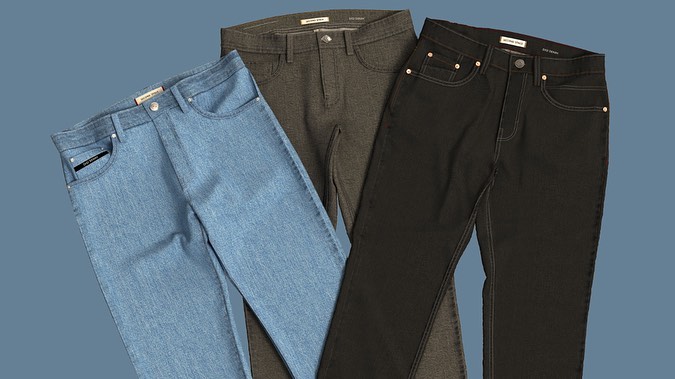
It usually takes a bit of back-and-forth sampling before a product is eventually put in a store. But what if sampling could be done digitally, directly from a mill, allowing designers to work with ubiquitous access to digital twins of real-world materials to simulate how different designs might turn out digitally? Building architects don’t use concrete to sample their building designs on the construction site, so do we need to do so much of it physically in the fashion industry? Could physical samples be what’s holding the industry back from new levels of speed, cost reduction, and creative freedom?
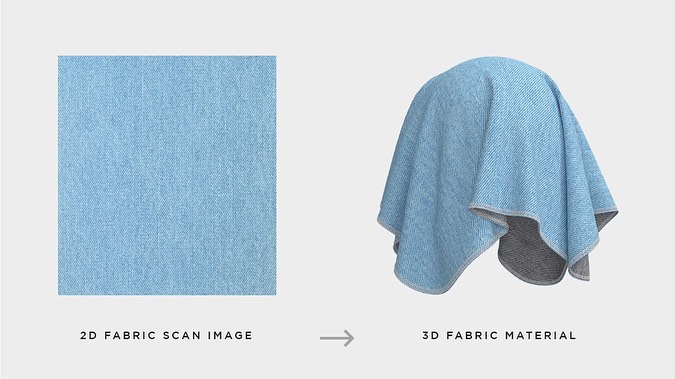
Leading fabric mills around the world have realized how to leap ahead. Groundbreaking new 3D fabric digitization technology from INDIKON by Bandicoot Imaging Sciences, built specifically for denim fabrics, makes it possible for any fabric mill, garment vendor, brand, and designer to digitize materials for 3D from anywhere, with only a regular DSLR camera and access to the internet. We are entering a fashion future where digital fabrics are delivered on-demand, 3D-ready directly from the source. PBR texture maps and physical data are packaged in, ready to plug and play with any 3D fashion CAD.
Jorgen Sevild held a public master’s lecture at the Hong Kong Design Institute earlier this month. Watch the video below for more information about digital fabrics and the future of fashion.
While suppliers are already getting 3D-ready, it is now up to brands to decide on their 3D technology stack, train and support design teams to work and collaborate in 3D, and source digital materials directly from the mill. Read more on INDIKON’s website for more information about how suppliers can get 3D-ready within 1 hour, and where to find suppliers that are ready to ship digital samples materials today.