
The Rise of Wearable Fashion and the Role of AI
Wearable Fashion represents the convergence of technology and clothing, where artificial intelligence (AI) plays a central role in redefining both aesthetics and functionality. From AI-integrated garments that enhance accessibility to smart lenses poised to replace conventional screens, the industry is undergoing a transformation that will reshape consumer behavior and expectations.
“By 2030, wearable fashion is projected to be seamlessly embedded into daily life,” says Gianmarco Boccaccio, CEO & Director of LaModaChannel.
Innovations in smart textiles, bio-responsive materials, and AI-personalized clothing will move beyond mere convenience to become fundamental tools for health monitoring, digital interaction, and sustainable consumption. Fashion, once static, is evolving into a dynamic, intelligent ecosystem.

MWC 2025: The Intersection of Fashion and Technology
The Mobile World Congress (MWC) 2025 in Barcelona provided a compelling glimpse into the future of wearable fashion. Supported by GSMA, the event showcased the latest advancements in the Future of Technology & Connectivity.
The integration of technology into fashion is no longer an experimental concept; it is becoming a commercial reality that is redefining both industries.
White Jacket: Reinventing Accessibility Through Smart Clothing
Origin: Spain ~ Concept: White Jacket is pioneering an innovative approach to assist the visually impaired through a wearable device that translates environmental data into haptic feedback. The jacket, equipped with AI-driven cameras and sensors, processes visual information and conveys it through vibrations across the torso, allowing users to navigate their surroundings with enhanced perception.
Sustainability & Impact: Beyond its groundbreaking technology, White Jacket emphasizes accessibility and responsible material sourcing, positioning itself as a leader in inclusive, sustainable fashion.

XPANCEO: The Contact Lens as the New Personal Computer
Origin: United Arab Emirates ~ Concept: XPANCEO is developing smart contact lenses that integrate AR, effectively replacing the need for smartphones and screens. These lenses offer an immersive digital experience, providing real-time data, navigation, and communication tools within the user’s field of vision.
Sustainability & Future Impact: With concerns over electronic waste escalating, XPANCEO’s approach reduces reliance on physical screens and devices, marking a shift toward a more integrated and sustainable wearable fashion future.

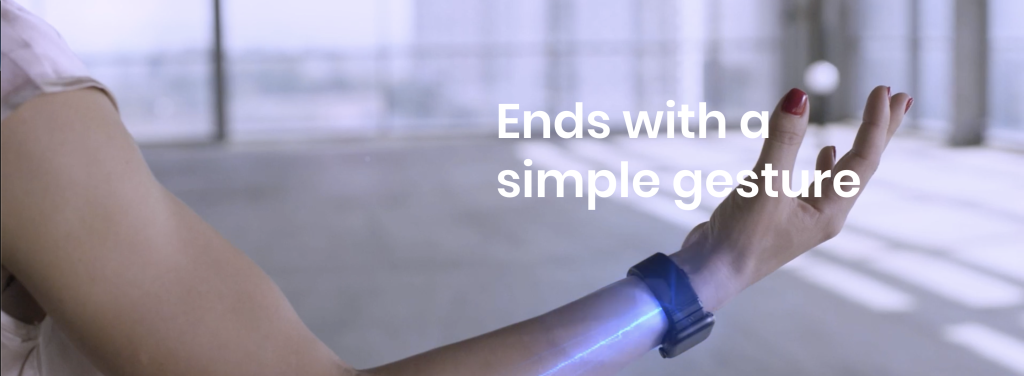
Wearable Devices: Gesture-Controlled Interaction
Origin: Israel ~ Concept: Wearable Devices introduces a gesture-control bracelet that allows users to interact with digital systems through subtle hand movements. From controlling smart homes to managing notifications, the technology eliminates the need for screens or physical buttons, emphasizing intuitive interaction.
Sustainability: Designed for longevity and low energy consumption, this wearable merges convenience with eco-conscious innovation.
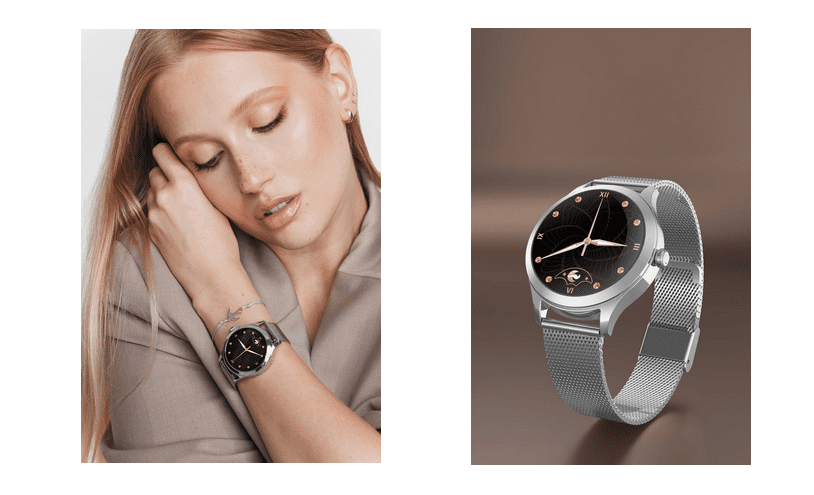
Maxcom: The Evolution of Health-Oriented Smartwatches
Origin: Poland ~ Concept: Maxcom’s latest smartwatch integrates advanced biometric tracking, providing insights into hydration levels, stress management, and overall wellness. Positioned as a wearable fashion accessory, it combines aesthetics with functionality, catering to an increasingly health-conscious consumer base.
Sustainability: Featuring energy-efficient components and durable materials, Maxcom reinforces the necessity of responsible tech development.
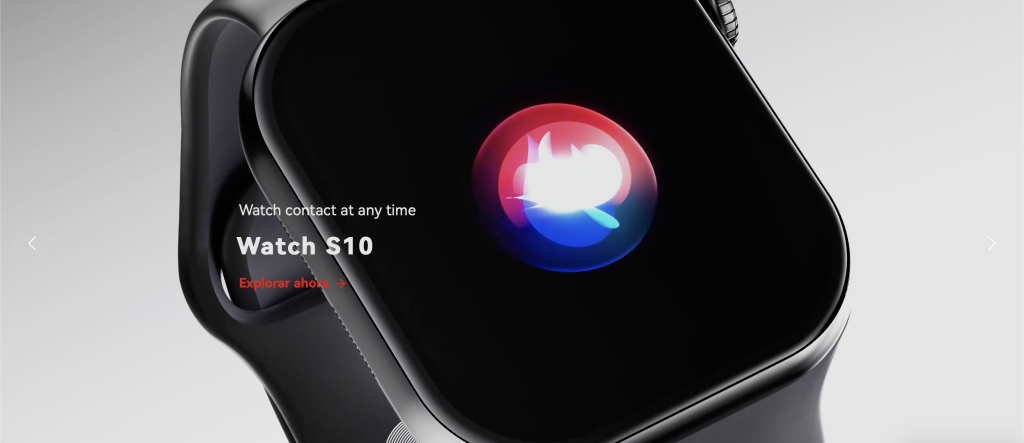
Microwear: The Smartwatch as a Personalized Digital Extension
Origin: China ~ Concept: Microwear’s smartwatches employ AI to adapt to users’ moods, preferences, and activities in real time. By integrating emotion-sensing technology and customizable digital displays, the device shifts from being a passive tool to an interactive extension of the user’s personality.
Sustainability: Designed with recyclable materials and low-power technology, Microwear exemplifies the shift toward intelligent yet environmentally responsible wearable fashion.
Nokia: Augmented Reality Glasses for Seamless Connectivity
Origin: Finland ~ Concept: Nokia’s latest AR glasses redefine digital interaction, enabling real-time translations, voice-controlled navigation, and hands-free notifications. Unlike previous iterations of smart glasses, this design focuses on minimalism and wearability, blending technology into daily life with greater fluidity.
Sustainability: Built with eco-friendly materials and optimized for low-energy consumption, Nokia’s contribution to wearable fashion highlights a commitment to both innovation and environmental responsibility.

Barcelona: A Hub for Wearable Fashion Innovation
Barcelona is cementing its role as a key player in the wearable fashion revolution. As the host of MWC 2025, the city demonstrated its ability to merge cutting-edge technology with creative design, positioning itself as a global epicenter for innovation.
With companies and startups leveraging AI, sustainable materials, and new interaction paradigms, the future of fashion is no longer about what we wear, but how our clothing and accessories actively shape our experiences.
PLAY THE VIDEO