
1) Tell us a little about yourself, the brand and your sustainable side.
I was born in Sarsina, a small town in the Romagna hinterland.
The first time I got interested in fashion I was very young, I was 7-8 years old, and I remember when I was walking with my mom and my aunt stopped at newsstands to buy Vogue. At 10 I already knew how to sew.
My suffering for country and country life increased until I decided to go to Florence to study at Polimoda. The path to Polimoda helped me to develop the freedom of personal expression and allowed me to meet new people and vice versa to make myself know for what they are, without filters.
Following a long period away from Romagna, between Florence, Milan, New York, and Osaka, they are was pleasantly surprised by the feeling of nostalgia that I began to feel towards my country. Spending a lot of time away from home allowed me to rediscover the authenticity, simplicity, and beauty of Romagna, and I finally fell in love with it.
I founded my brand in 2019 after a long period of training between Italy and abroad. The brand
Federico Cina embodies three fundamental values: sustainability, humanity, and craftsmanship.
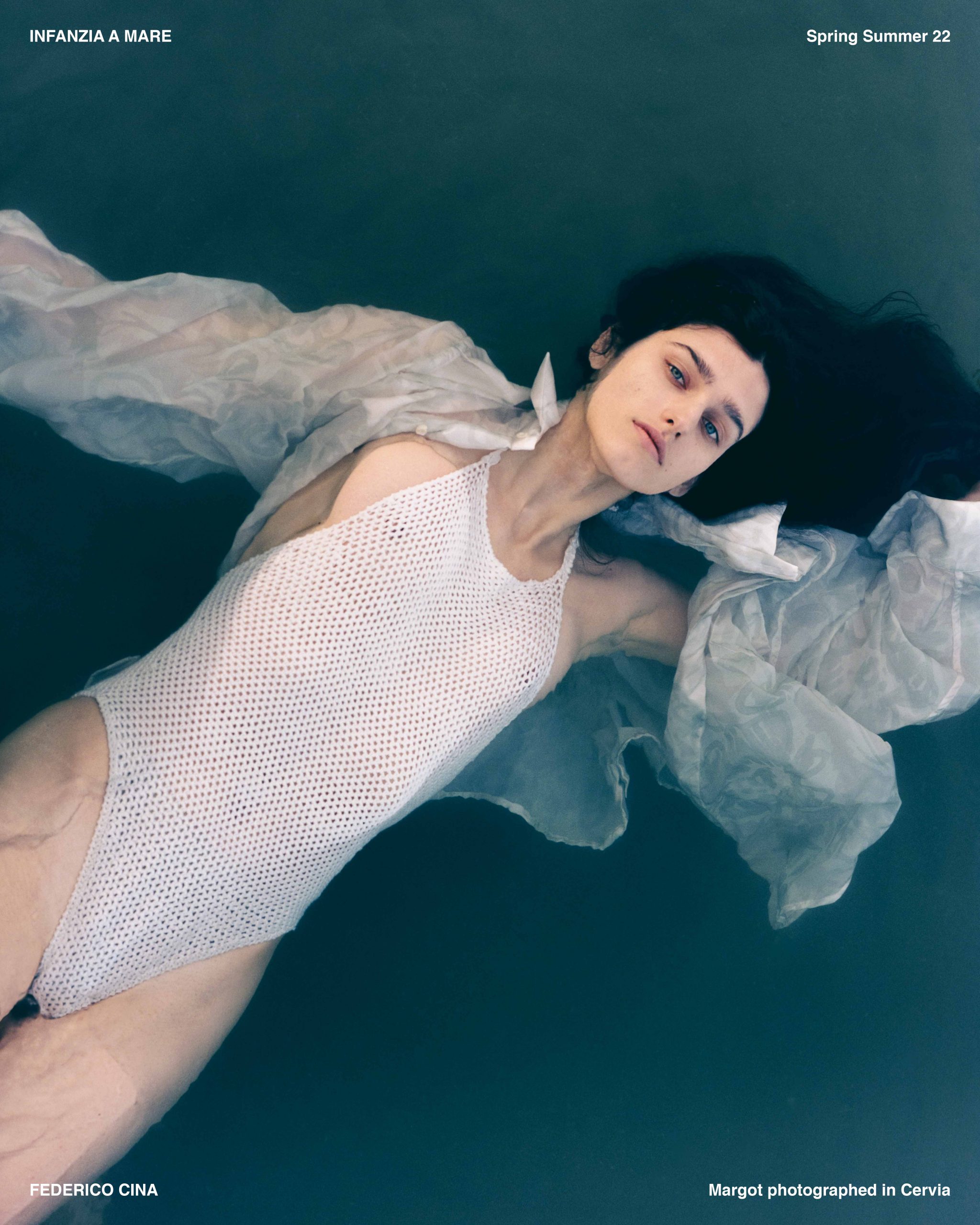
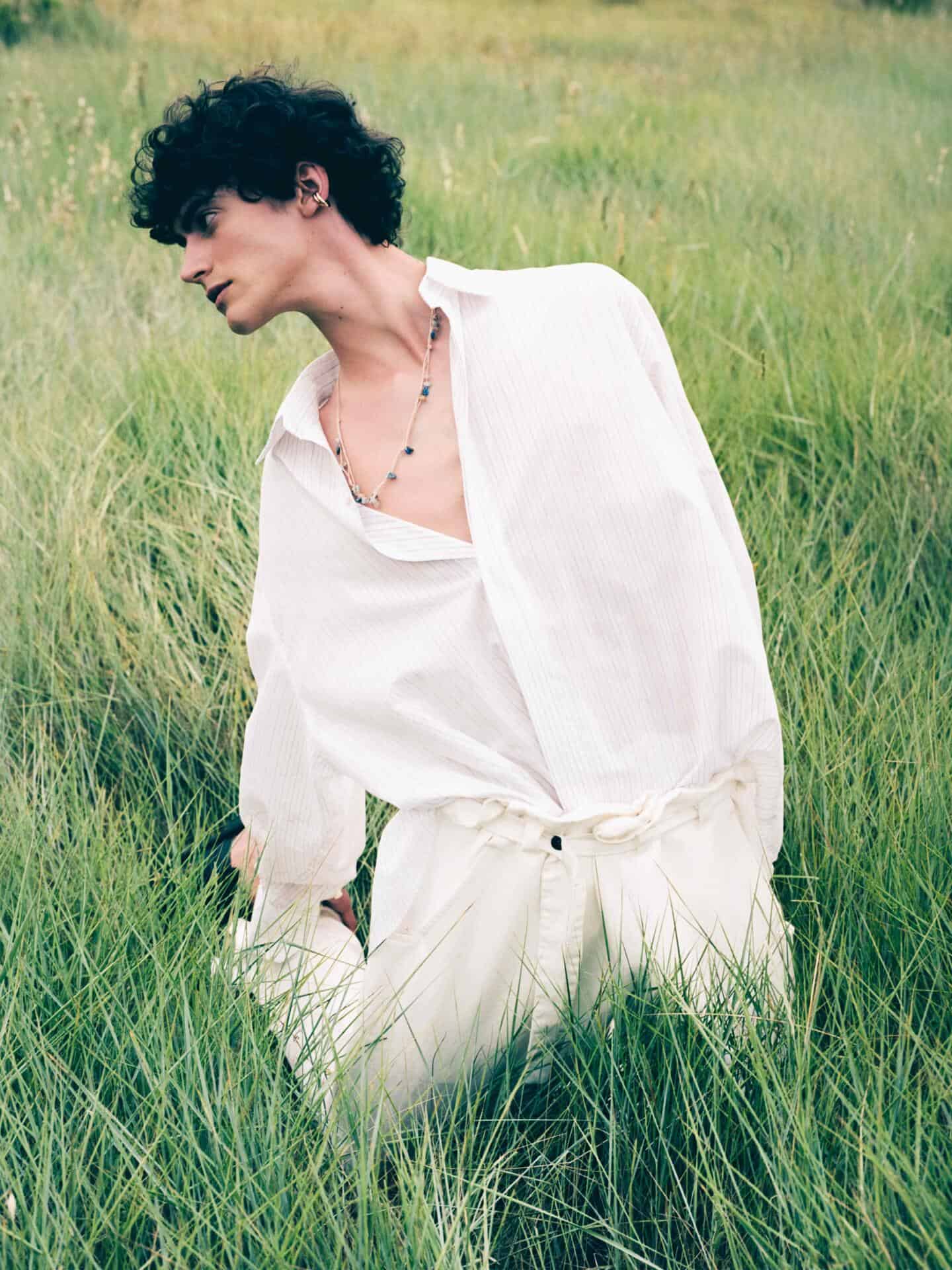
Our approach is aimed at enhancing the companies and artisans we collaborate with, promoting and creating products of indelible value over time. Our supply chain and our headquarters are located mainly in Romagna, thus managing to have greater control over our garments, quality, and sustainable aspects.
As for the craftsmanship of the brand, it is represented by the correlation between passion and tradition, reinterpreting traditional male silhouettes in new shapes and ideas.
Being sustainable for us means not only using sustainable elements but also implementing a more humanist point of view, supporting and creating opportunities within the ecosystem in which we operate. To this, we approach our concept of humanity, which originates in the need for a return to a simple and genuine beauty, which starts from an anthropological vision that puts the person, his emotions, and memories of her.
2) What was your inspiration for your latest collection?
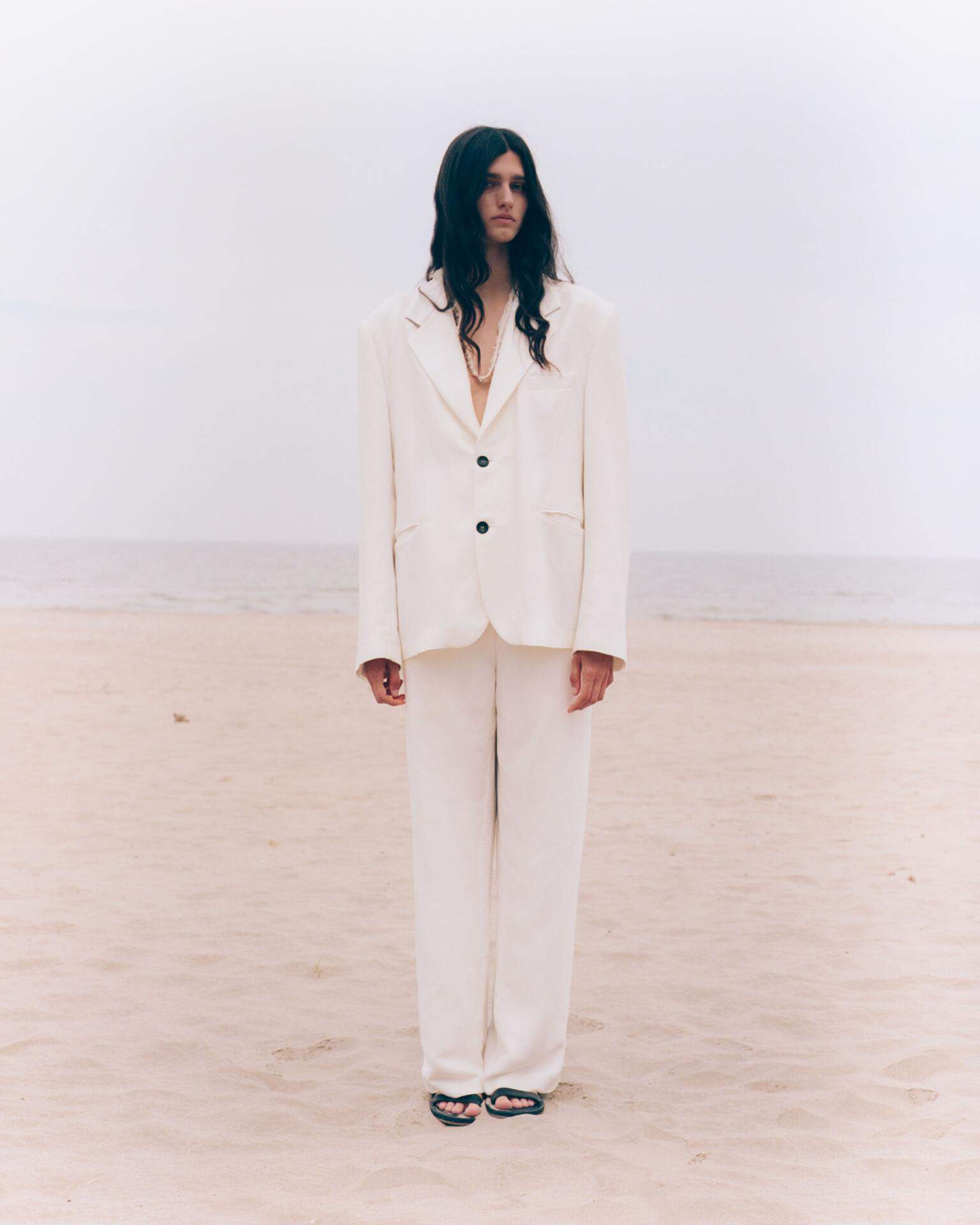
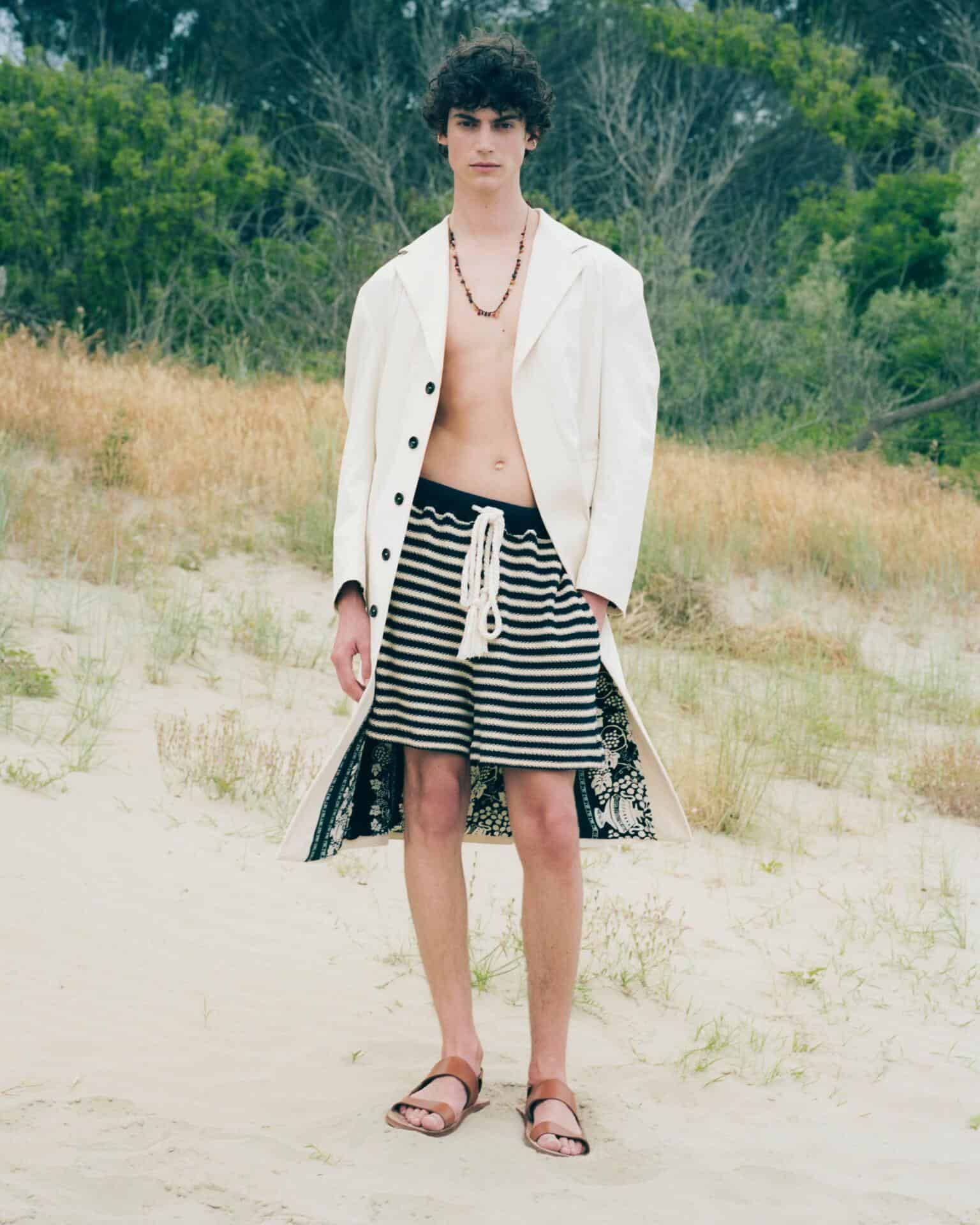
The SS22 “Infanzia A-Mare” is inspired by the Romagna photographer Luigi Tazzari and, in particular, by his photographic book “Farewell Cologne”.
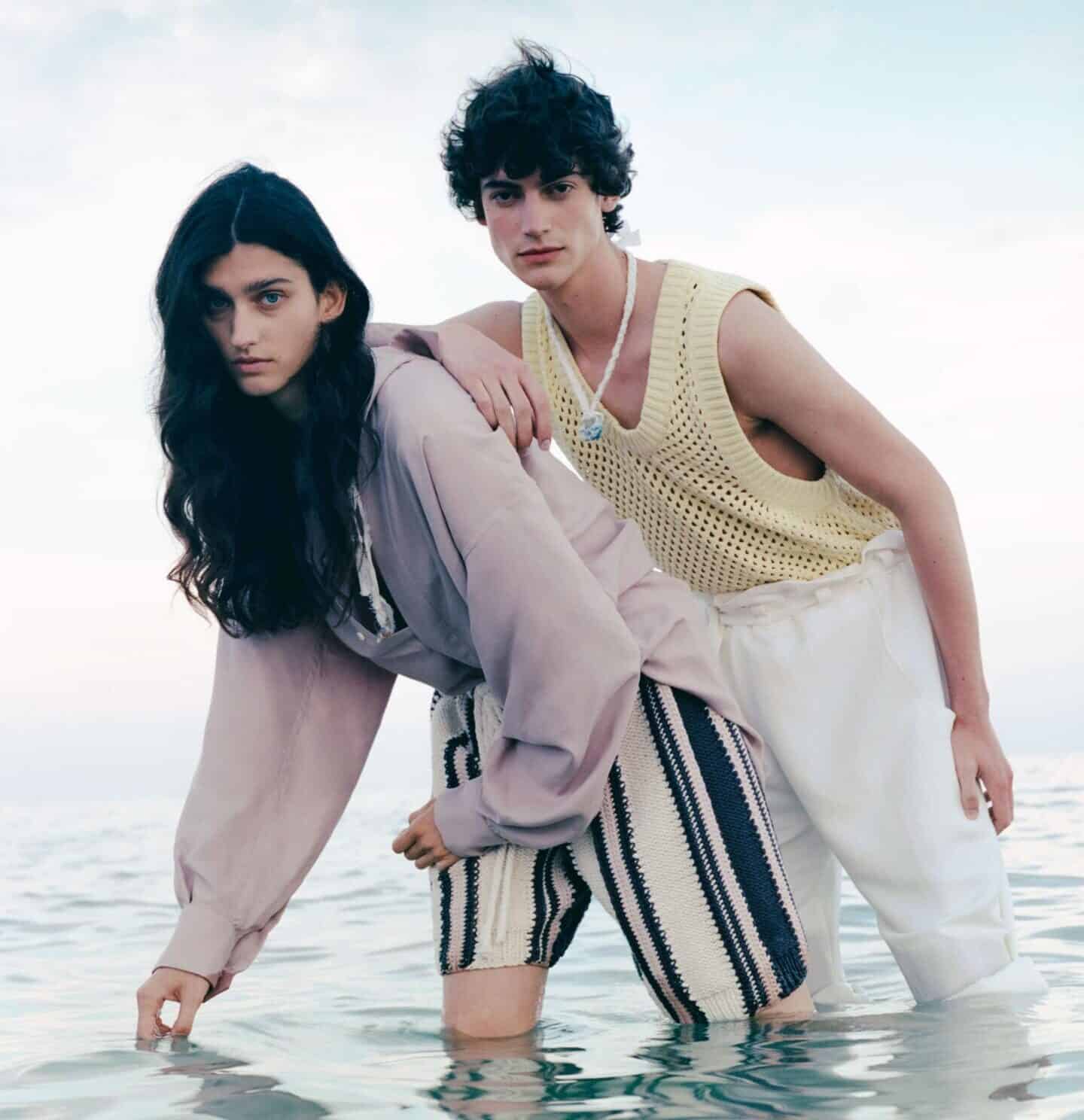
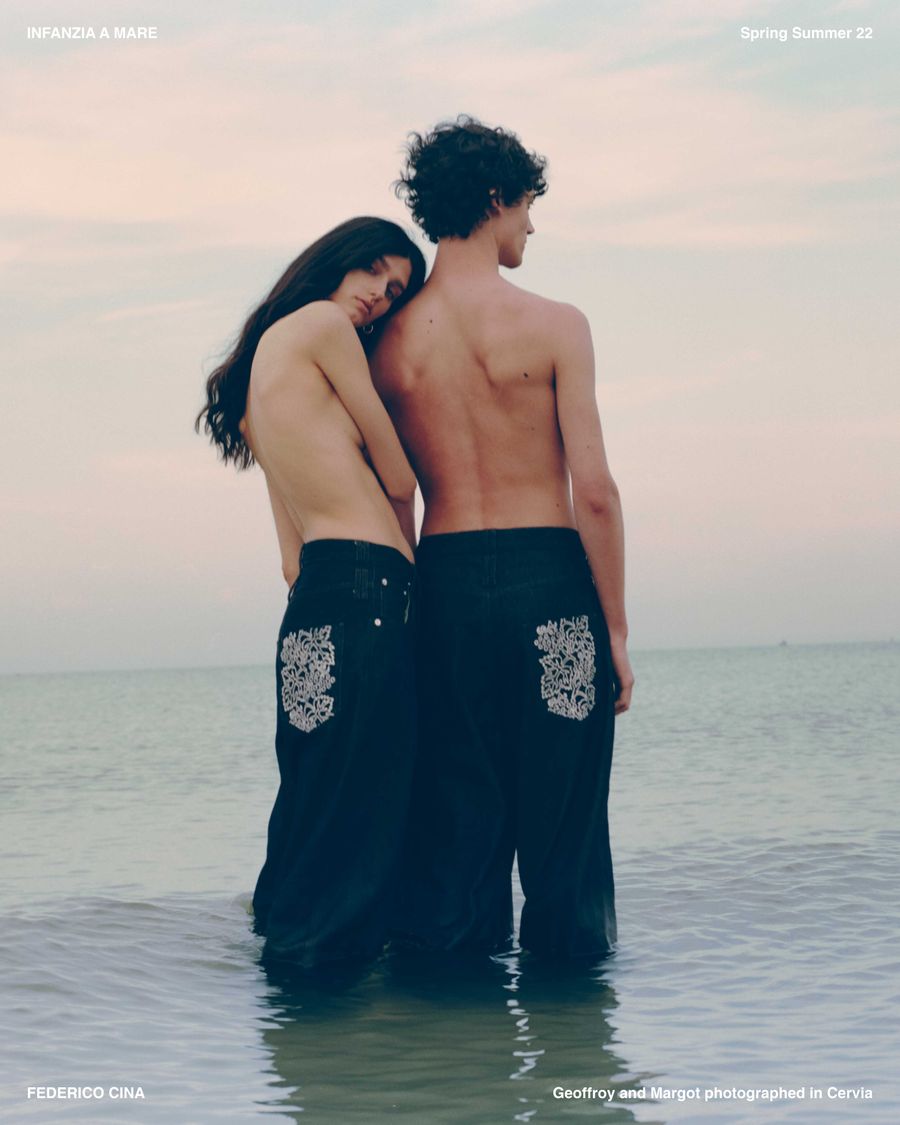
This collection was born from the rediscovery of part of my childhood when I left to go on vacation with my parents to the colony.
During the first phase of experimentation we studied and analyzed Luigi Tazzari’s book, the photographs of the interiors of the colonies, the mattresses, the sheets, the tiles on the walls, the chairs, the writings handmade by children on the walls. From these nostalgic images, we later took inspiration.
The elements of inspiration were translated in the making of childish prints that we have conveyed in the collection, how the colors are those taken from the photographs.
3) Can you tell us about your future projects with the brand?
I am very satisfied with the growth of the brand over the last year and a half both in terms of product, collections, and collaborations, both for the media attention it has received.
Being selected as a semi-finalist at the LVMH Prize in April also accelerated the process of the internationalization of the brand.
In the next few years, I would like to continue exporting Romagna and its values around the world,
without ever losing that curiosity about my land that allowed me to discover and include in the FEDERICO CINA project, unique and high-quality craftsmen and processing techniques.
4) How do you imagine the future of fashion in about 10 years? In terms of style and trends.
Fashion is unpredictable. Styles and trends chase each other for decades, reversing and finding new space for expression, and no one can ever predict in the long run what can happen.
Surely what I hope is that media curiosity towards new brands will remain high in an Italian and international scene dominated by giants. In this regard, I would like to thank the National Chamber of Italian Fashion (CNMI) and Vogue Talents, which have always supported the young realities.
I imagine a fresher and more diverse fashion, but above all, I hope the production methods are in most cases converted into a more sustainable approach, a value fundamental for us and of which I hope we will become an opener.