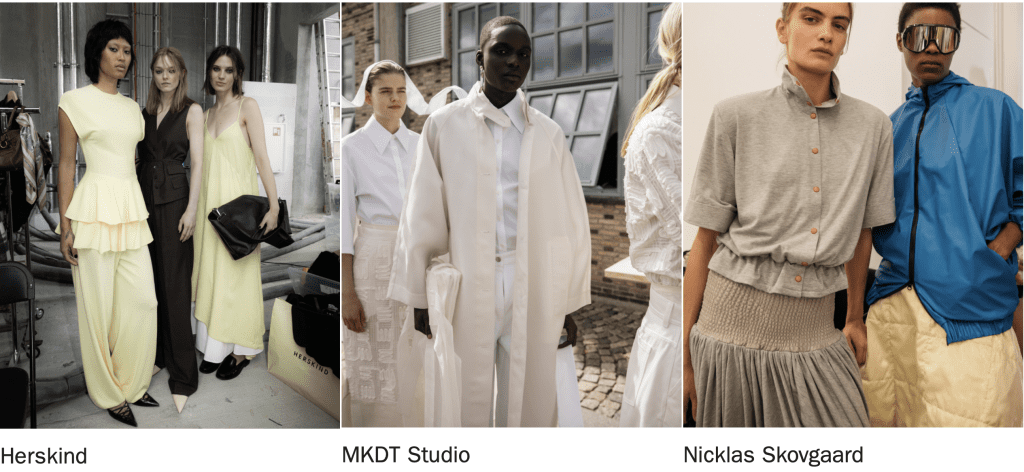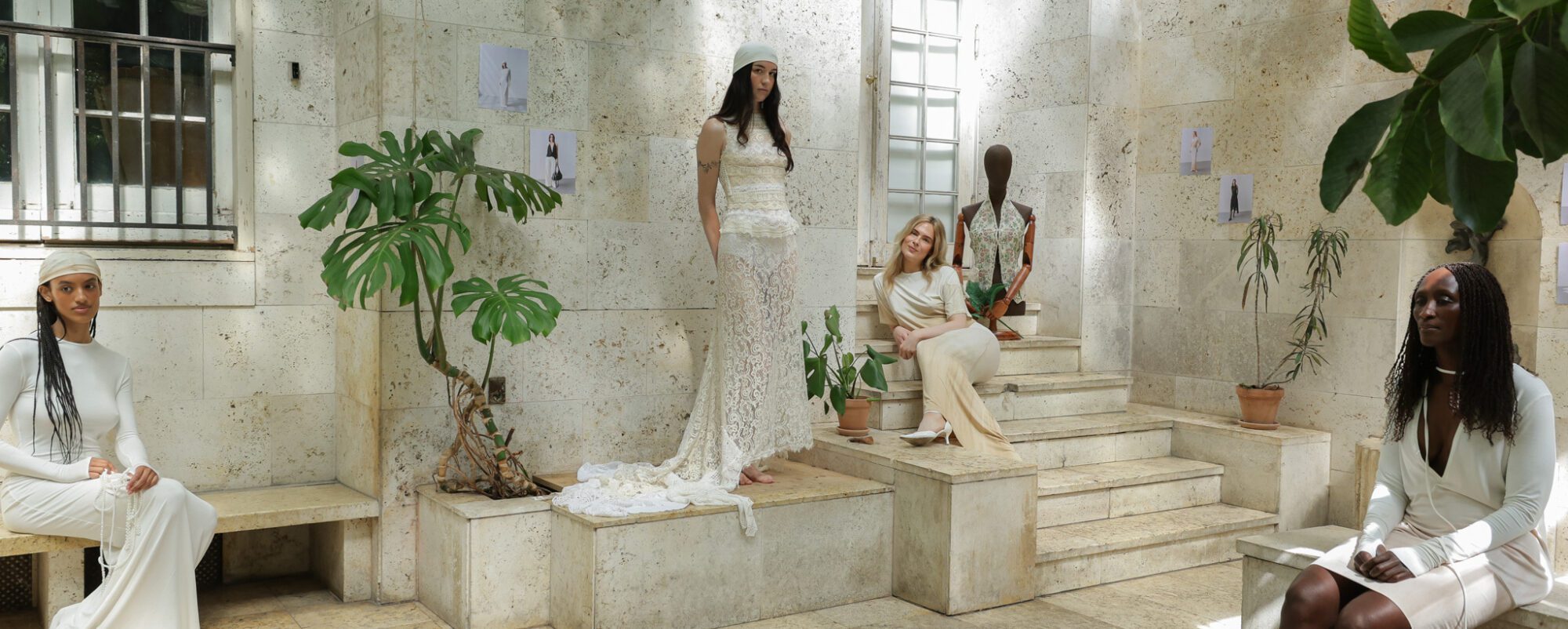
Copenhagen Fashion Week 2026 (CPHFW)
From January 27 to 30, 2026, Copenhagen Fashion Week (CPHFW) celebrated its 20th anniversary, cementing its reputation as a global force in sustainable fashion and Nordic design. Since its founding in 2006, the event has grown from a regional trade showcase into a cultural and commercial powerhouse, earning the title of the “fifth fashion capital” alongside Paris, Milan, New York, and London.
Cecilie Thorsmark, CEO of CPHFW, reflected on the milestone: “Marking 20 years is first and foremost a moment to recognise the strength of the Nordic fashion community. Our role has always been to create a platform that brings people together, supports new voices, and helps position Nordic fashion within a global context. As we look ahead, our focus remains on how fashion can continue to develop responsibly, creatively, and collaboratively.”
A Legacy of Growth and Influence
Over the past two decades, Denmark’s fashion industry has expanded significantly. According to Danmarks Statistik, total industry revenue has increased by 24%, with fashion exports growing 84%—now representing two-thirds of the country’s fashion revenue and 5% of Denmark’s total merchandise exports. This success is closely tied to CPHFW’s ability to elevate Nordic talent and foster international collaboration.
From its origins as a merger between Dansk Modeuge and Dansk Herremordeuge, the biannual fashion week has consistently provided runways, exhibitions, and presentations that highlight both creativity and commerce. A turning point came in 2018, when Thorsmark’s leadership introduced a strategic focus on sustainability and inclusivity, backed by an advisory board and knowledge partners.
Discover here some of the most sustainable brands we encountered at Copenhagen Fashion Week:
BONNETJE ~ champions circularity by transforming existing garments and materials into entirely new creations. Their approach combats fast fashion and promotes a mindful wardrobe, proving that innovation doesn’t require new resources.

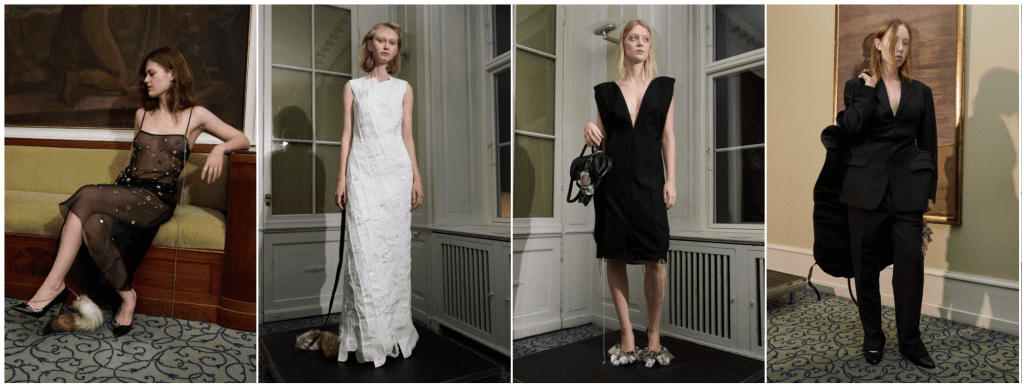
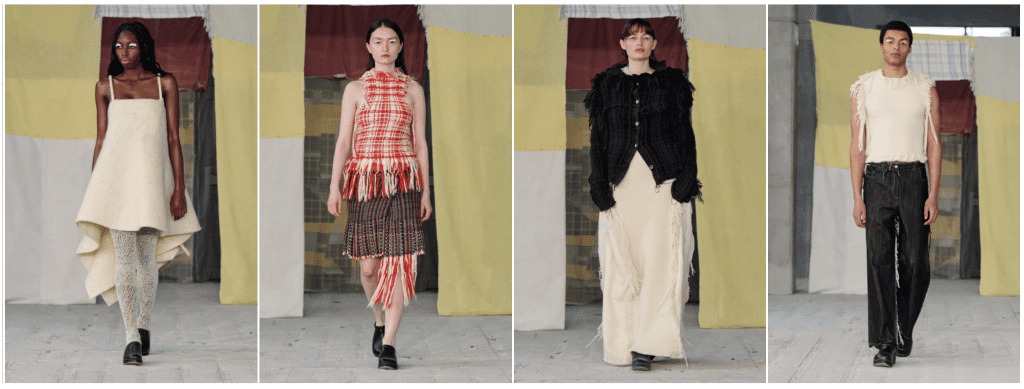
STEM ~ is pioneering zero-waste fashion, with a production system that eliminates textile waste through precise weaving, cutting, and tailoring techniques. Every piece is designed to maximize material use, demonstrating that creativity and responsibility can go hand in hand.
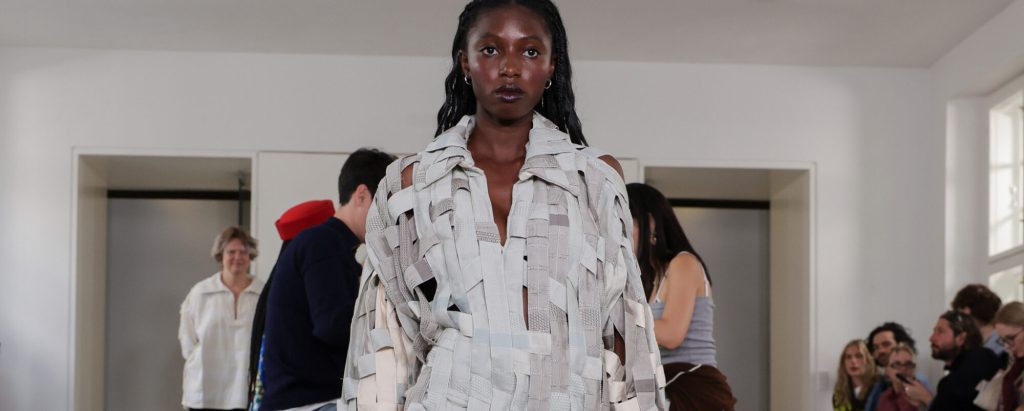
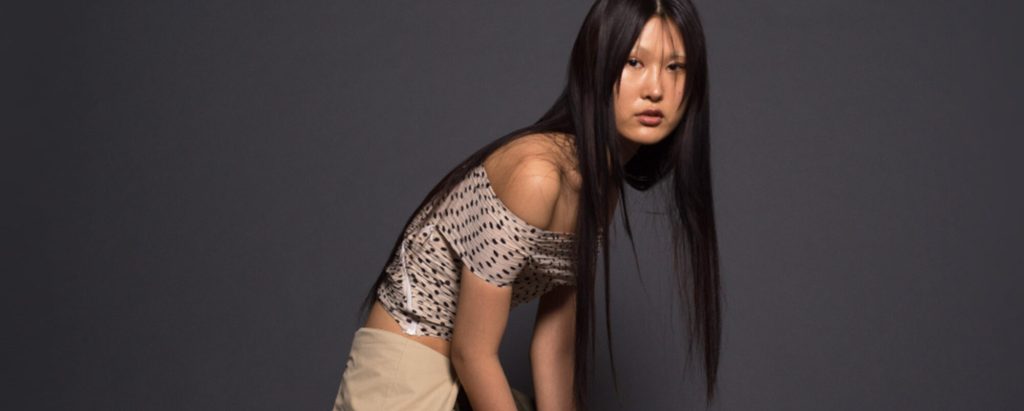
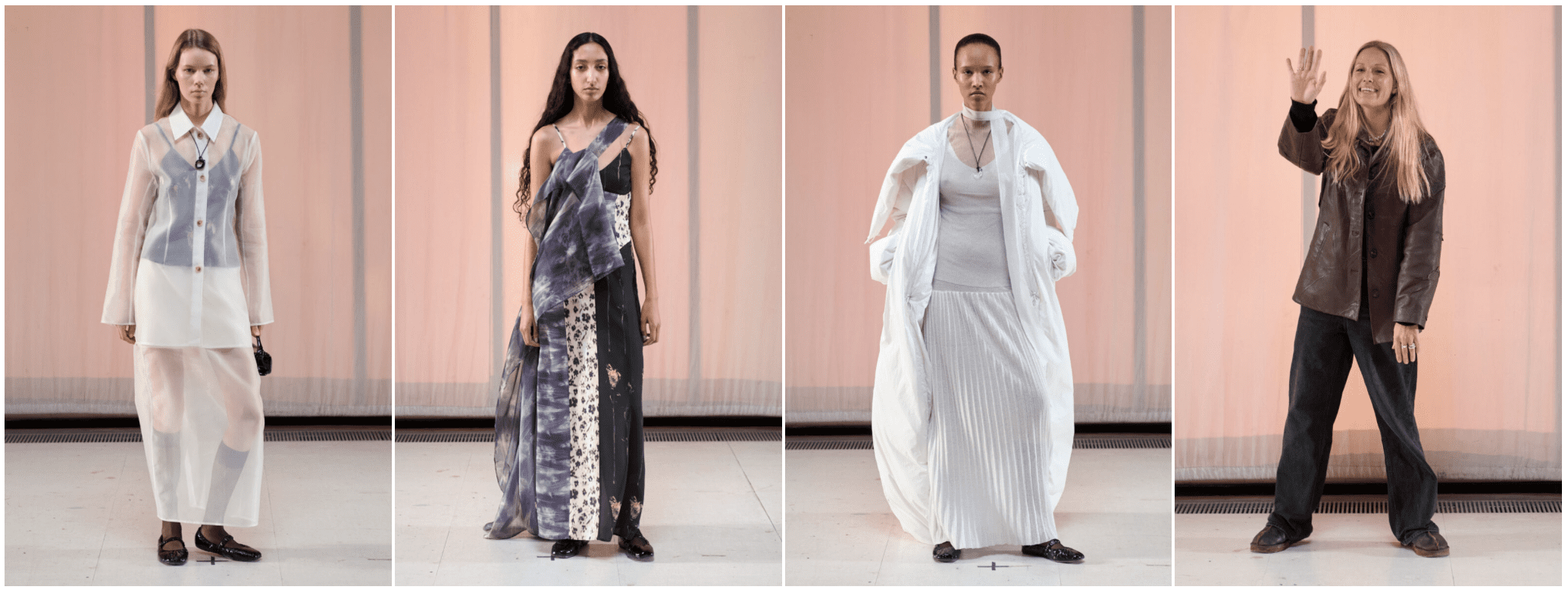
SSON ~ reconstructs discarded clothing into fresh, contemporary collections. By building from pre-existing garments, the brand embodies circular fashion principles, extending the life of textiles while creating bold, modern designs.
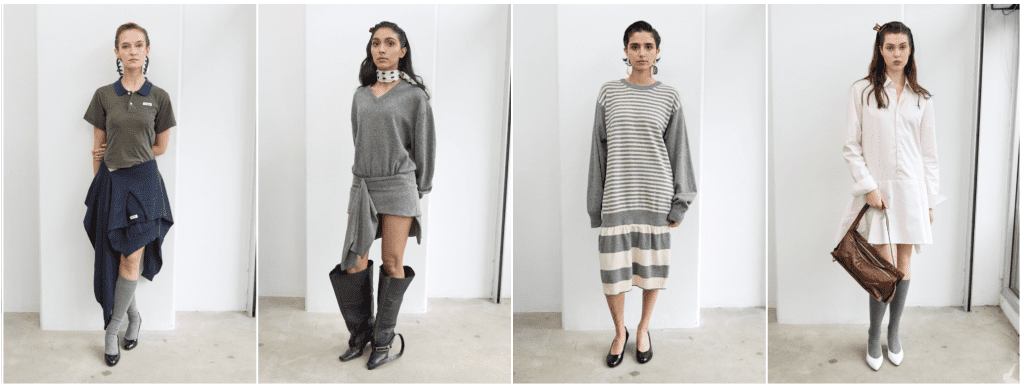
TAUS ~ emphasizes upcycling and deadstock materials, creating slow fashion with minimal environmental impact. Their collections highlight innovative design while reducing waste, proving sustainable fashion can be stylish and responsible.
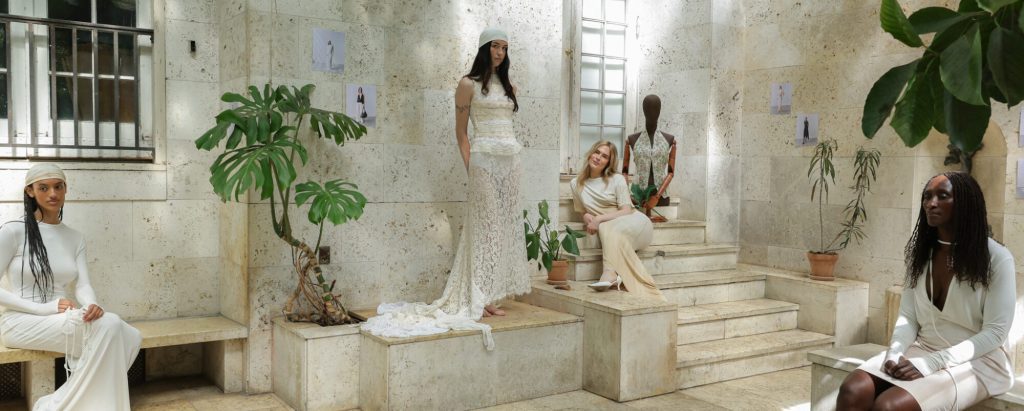
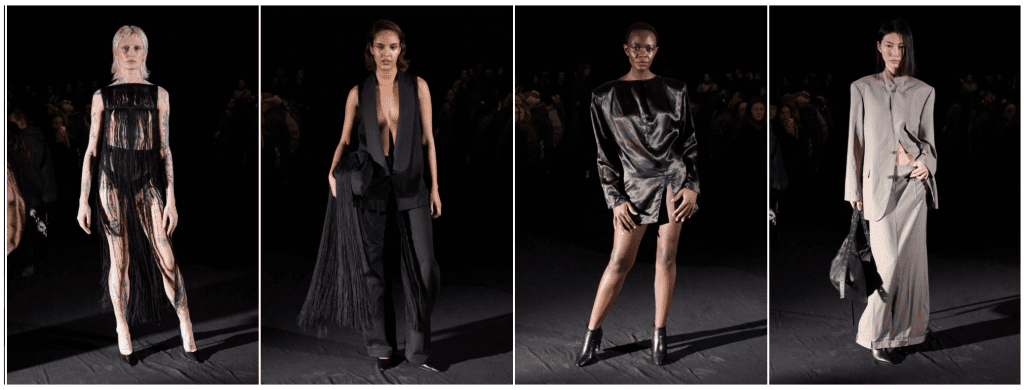
PAOLINA RUSSO ~ is recognized for using deadstock fabrics, traceable production, and biodegradable materials, reflecting a genuine commitment to environmental responsibility.
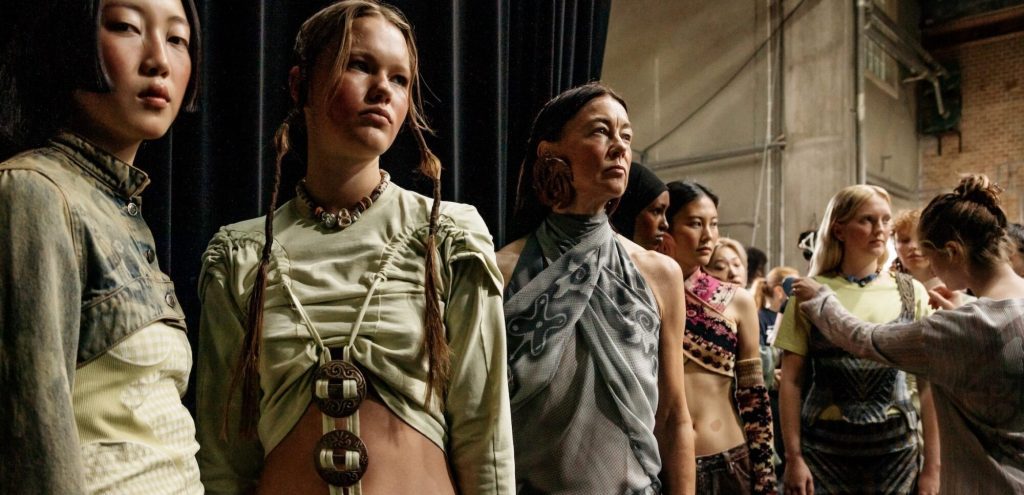
Leading the Charge in Sustainable Fashion
Copenhagen Fashion Week has become a pioneer in responsible fashion. In 2020, the event introduced its Sustainability Action Plan, setting minimum standards for participating brands—a first for any major fashion week. By 2023, these standards became mandatory, supported by a comprehensive 2023–2025 Action Plan with 220 targets aimed at reducing the fashion week’s ecological footprint.
CPHFW’s sustainability framework has inspired international adoption. Other fashion weeks, including London, Berlin, Amsterdam, and Oslo, have integrated similar minimum standards, while collaborations with Zalando, the British Fashion Council, and other global partners continue to extend its influence.
Supporting Emerging Talent
The NewTalent program, introduced in 2022, has become a cornerstone of CPHFW’s mission to nurture the next generation of Nordic designers. The incubator offers financial support, mentoring, and exhibition opportunities, while its patronage program engages established brands like Ganni, Pandora, and Vanguards Group to champion emerging voices. In 2026, this program welcomed Swedish labels Sson and Studio Constance, as well as British-Copenhagen designer Sarah Brunnhuber.
Additionally, the 2026 “Homecoming” initiative highlights returning Nordic brands, with Holzweiler taking the inaugural slot after several seasons abroad. CPHFW also celebrates international collaborations, with Nazzal Studio, the first Palestinian label on schedule, marking a significant step toward global inclusivity.

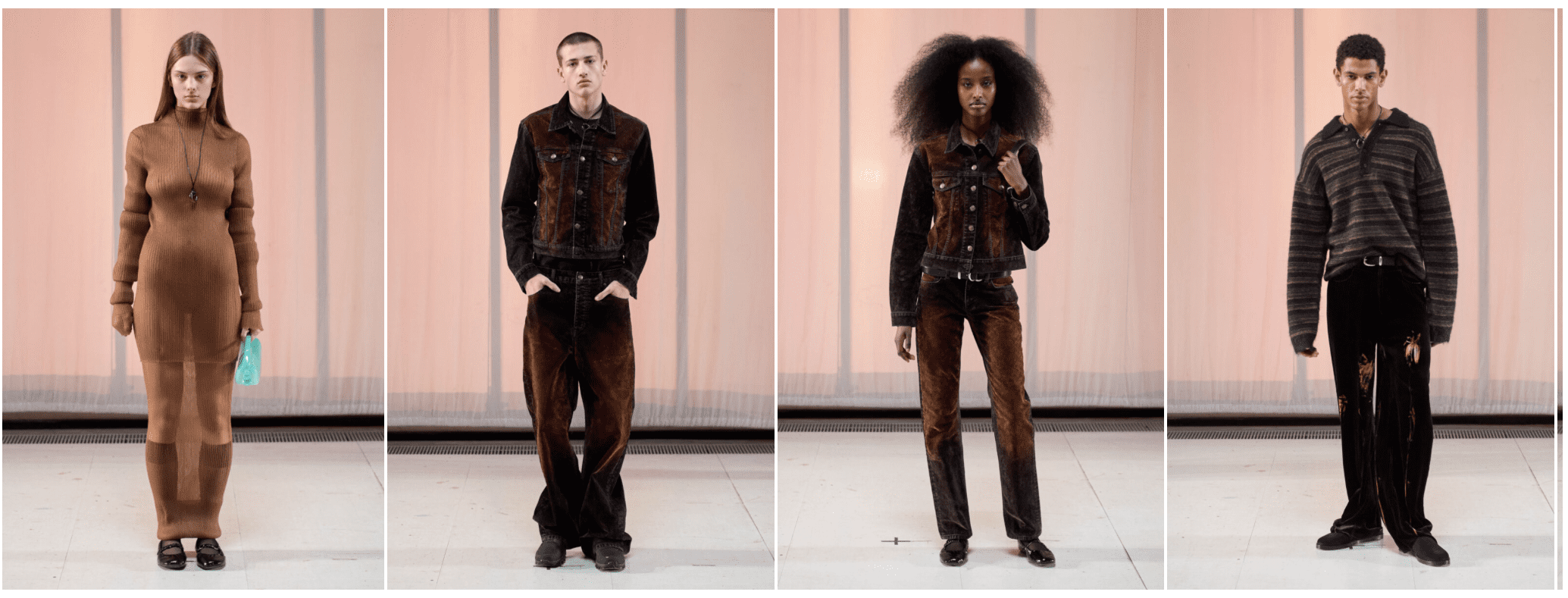
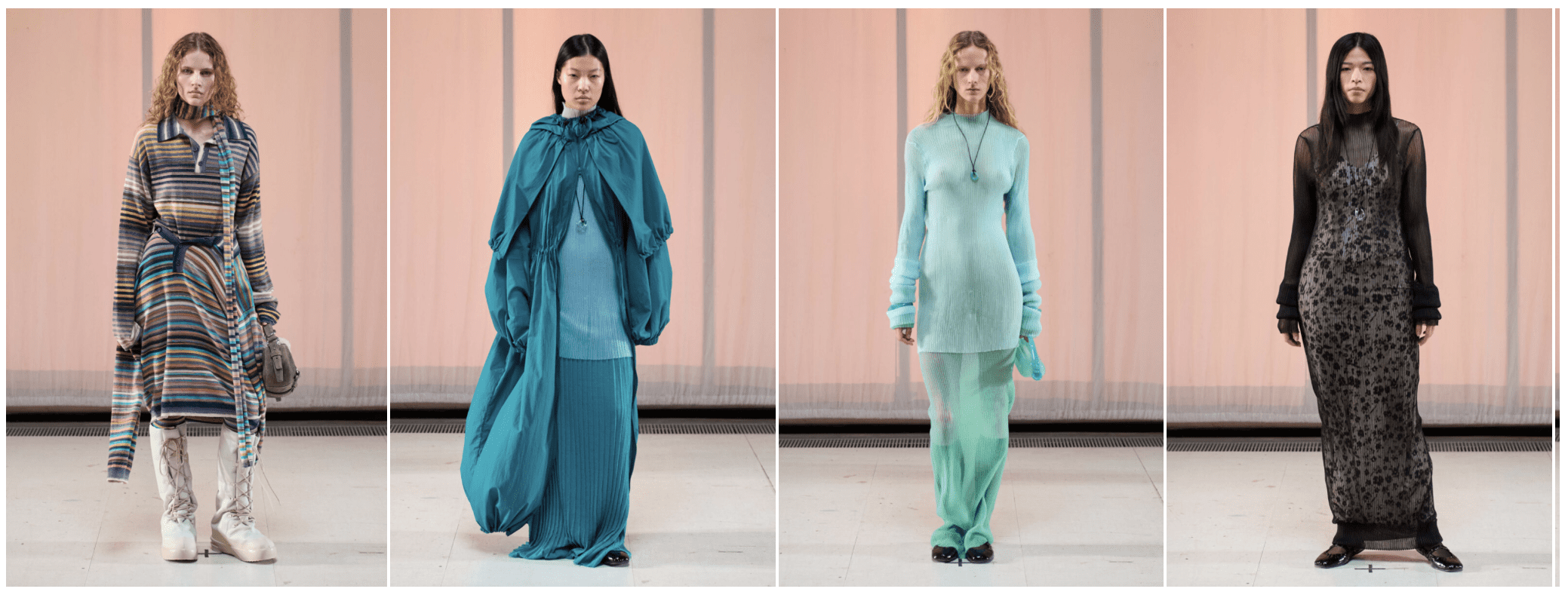
Health, Ethics, and Responsibility
Beyond sustainability, CPHFW has championed ethical practices within the industry. The Danish Fashion Ethical Charter safeguards the wellbeing of models and challenges conventional beauty standards, including mandatory health checks in collaboration with national associations. By embedding these practices into its operations, the fashion week promotes a fair, transparent, and respectful industry culture.
As CPHFW celebrates 20 years, it continues to push the boundaries of what a fashion week can be. The AW26 edition showcased the best of Nordic talent, with record visitor numbers, international media and retail leaders, and immersive cultural programming. The year ahead will see further global activations, partnerships, and a comprehensive book documenting the past two decades of the event, highlighting its influence on sustainable and innovative fashion worldwide.
Julie Gilhart, Founder of Gilhart & Co., summed up the event’s ethos: “In just two decades, this young and ambitious platform has become a beacon of sustainability and thoughtful, progressive fashion. It has inspired the industry to rethink what a fashion week can be, showing how creativity and responsibility can go hand in hand.”
Copenhagen Fashion Week 2026 not only celebrated Nordic creativity but also reaffirmed its role as a leader in shaping a more conscious, responsible, and inclusive global fashion industry.